


The Walker Cup 2026 Preview – Lahinch
The Walker Cup was a big part of life in the Carr house. JB was involved in a record 11 Walker Cup matches both as a player and captain, but the Carr family love affair with the tournament didn't end there.


Shaping The Walker Cup - Seve, Bobby and JB
It’s hard to believe, given the scale of the Ryder Cup now, that in my father’s day the Walker Cup was equally important and probably got more press coverage than the Ryder Cup. Both events were traditionally USA vs UK & Ireland until Seve, the charismatic matador of golf, appeared on the scene in Europe; that's when things changed, and it fittingly became USA vs Europe. The Walker Cup remains Great Britain & Ireland, honouring its long tradition dating back to 1922. When the match started, it was named after George Herbert Walker, the President of the US Golf Association in the 1920s.
The Walker Cup is often credited with enabling the legendary Bobby Jones to become the unique and iconic amateur figurehead of golf. In his early twenties, with two young children, Jones did not have the means to travel abroad. The USGA and R&A cleverly scheduled the 1926 and 1930 Walker Cups around the same time as the British Amateur and British Open. Jones took full advantage of bundling the three competitions, winning the Open in both years while gaining his only British Amateur Championship in 1930. In 1927, Jones made his only non-subsidised trip to defend his British Open at the Home of Golf - St. Andrews. That is where he fell in love with traditional British ‘afternoon tea’ of scones with cream and jam and a pot of tea. I remember my father telling me this as he and Jones became very friendly as true-blue amateur champions. When Jones invited him to play the Masters, becoming the first Irish member of Augusta in the late sixties, they would have ‘afternoon tea’ in the Butler Cabin after he played every round.
Family Ties
The Walker Cup was a big part of life in our house in Sutton, Co Dublin. JB was involved in 11 Walker Cup matches (one as captain, one as a non-playing captain) and made several lifelong friends, like Jack Nicklaus and Deane Beman, while playing against them at the tournament. His record was not great, as he was always playing against the new up-and-coming superstars of the day like Nicklaus, as the number one or two player.
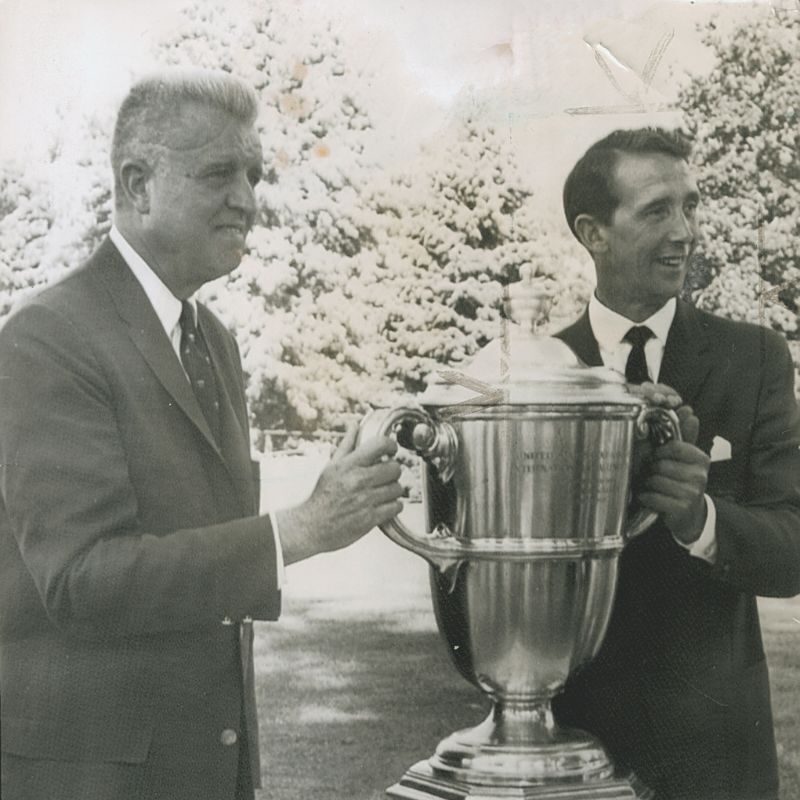
I remember vividly, while at home in Sutton, getting the call from captain Michael Bonallack to tell me I had been selected for the 1971 team. I wasn’t expecting it as I thought John O’Leary would get the Irish spot. My bloodline probably had a lot to do with Michael’s choice as he and my father dominated amateur golf in the UK and Ireland for 25 years and had become great friends.
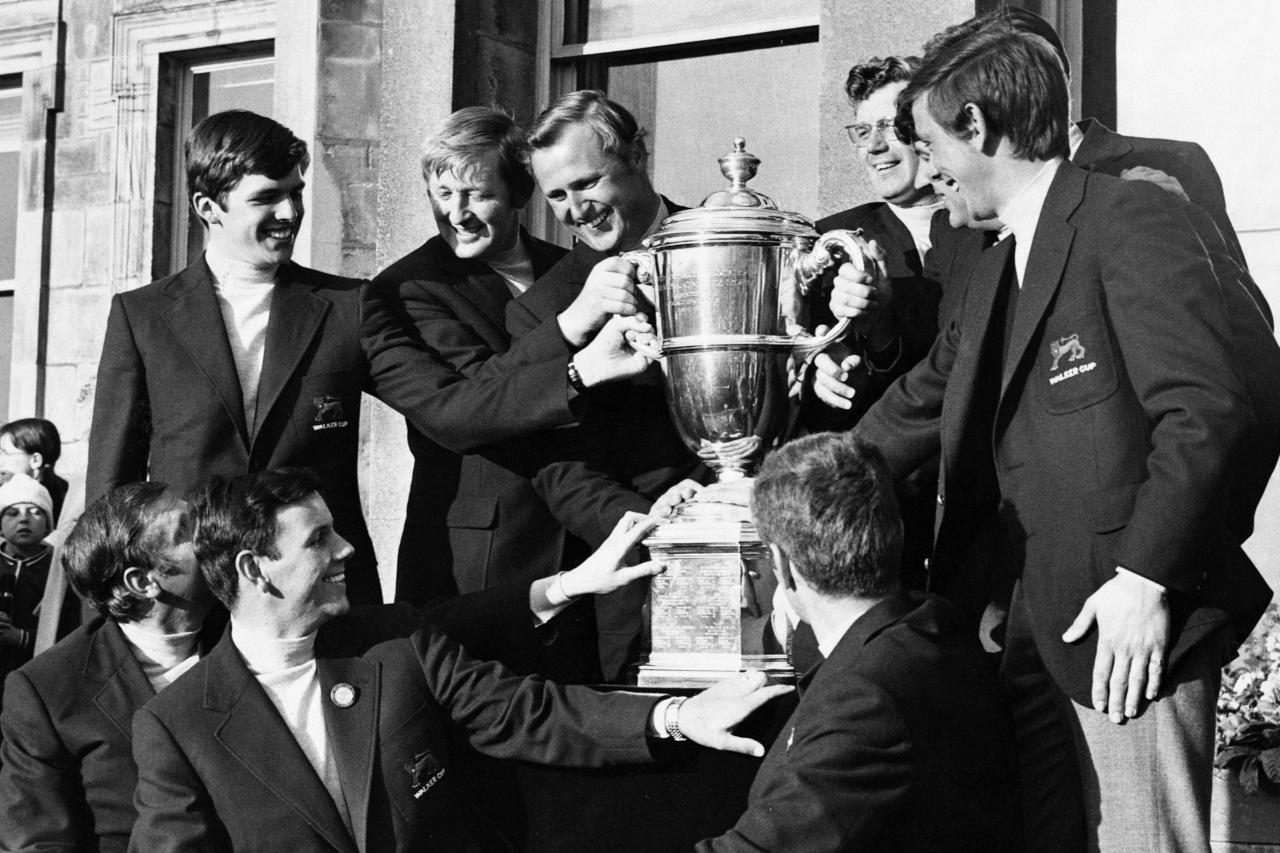
The Walker Cup in 1971 at St. Andrews was, looking back, the pinnacle of my golfing career. We had not beaten the Americans for 33 years, and they rolled into St. Andrews led by the gunslinging Texan Lanny Wadkins (who wanted Michael Bonallack’s scalp on his belt) alongside Tom Kite, Vinny Giles and veterans Bill Campbell and Bill Hyndman, both of whom had played many matches against my father.
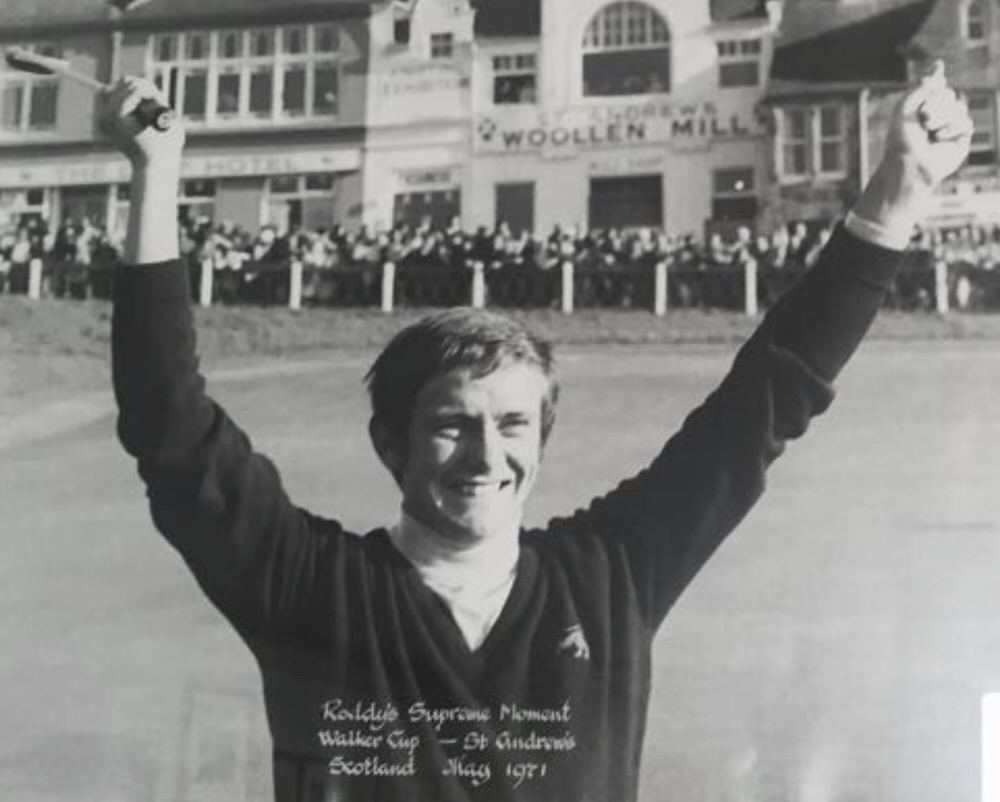
While playing against Jim Simons late on the final day, with my father, mother and the whole of Scotland watching, I was fortunate enough to hole an 11-yard putt on the 18th hole to be part of that historical win.
A Chance to See the Future
It’s a completely different scene now; many players from both sides get to know each other on the amateur and university circuit in the USA, where several are on golf scholarships. The teams, which are much younger today, will battle it out ‘mano a mano’ over the three days. You can be sure that the great players of today, Tiger, Rory, Scottie and legends from the past such as Nicklaus, all of whom have played in the Walker Cup, will be keeping a close eye on the Matches.
With The Walker Cup at Lahinch, it will only be the third time the matches have been played on the island of Ireland. Many will remember seeing Rory McIlroy play in the 2007 matches at Royal County Down and Phil Mickelson play at Portmarnock in the 1991 matches. I attended both events, and it was refreshingly intimate, with the highly golf-educated crowds allowed to walk the fairways with the teams and greatly enhancing the experience. I remember Phil playing his now trademark full swing lobs pitch from the back of the 18th green on the final day; a marker of what was to come from him, while Paul McGinley also played that year.
Lahinch - The Perfect Challenge
The matches at Lahinch will be a sight to behold in this classic old links venue and its famous blind par 3, 5th - ‘the Dell’ hole. The Americans will get a taste of true links golf with a pedigree of unmatched designers from Old Tom Morris in 1892, Alistair MacKenzie in 1927 and Martin Hawtree in 2003 all influencing the design amongst the natural high dunes on the Atlantic Ocean. The atmosphere in Lahinch is the closest Ireland has to the Old Course in St. Andrews, where the course plays right into the town itself, a unique atmosphere of a true golfing community.
Stuart Grehan, as the British Amateur Champion from County Louth, will carry on the great tradition of the 55 Irish players before him that included the great Jimmy Bruen, Cecil Ewing, Joe Carr, Garth McGimpsey, Ronan Rafferty, Paul McGinley, Padraig Harrington, Darren Clarke, Graeme McDowell, and Rory McIlroy.
The teams can expect a traditional warm Irish welcome in County Clare and rest assured the sold-out crowd will applaud great golf shots from both sides.
May the best team win.
Read Roddy's latest articles


